
Last Updated: November 10, 2026
Quick Summary
Skincare ingredients for visible results include vitamin C, retinoids, niacinamide, glycolic acid, salicylic acid and ceramides. Each needs the right concentration, a stable formula and consistent daily use, and most take four to twelve weeks to show change.
- Look for the studied form of each active, such as L-ascorbic acid for vitamin C, rather than just the ingredient category.
- Ceramides and niacinamide help the barrier tolerate stronger actives like retinoids and acids.
- Start retinol twice a week at a low strength and build up slowly to limit irritation.
- Judge a product at the twelve-week mark, since cell turnover takes roughly four to six weeks.
- Daily sunscreen is essential when using exfoliating acids, because they increase sun sensitivity.
Table of Contents
- Why Most Skincare Ingredients Fail to Deliver Visible Results
- The Ingredients With Real Evidence Behind Them
- Vitamin C Serum Benefits and What to Expect
- Retinol Benefits and How to Use It Without Irritation
- Niacinamide and Exfoliating Acids for Tone and Texture
- Ceramides for Skin Barrier Support and Hydration
- How Long Skincare Takes to Work: A Realistic Timeline
- How to Layer Actives Without Wrecking Your Skin
- Building a Short Routine That Fits a Busy Day
- Find Your Ritual With Get Pure Nirvana
- Frequently Asked Questions
Why Most Skincare Ingredients Fail to Deliver Visible Results
Most skincare products disappoint because the ingredient is present in name only: too low a concentration, the wrong molecular form, or a formula that cannot carry it into the skin. A serum lists vitamin C on the front of the box, yet the label reveals a derivative at a fraction of the strength used in studies. The result is a product that smells pleasant, feels expensive, and changes nothing.
Skincare ingredients for visible results work on a simple principle: the right molecule, at a proven strength, in a stable formula, used consistently for long enough. Miss any one of those four and the mirror will not change.
Three failures account for most letdowns:
- Underdosed actives. A formula may contain an active at a level too low to affect skin, purely so the name can appear on the packaging.
- Unstable formulas. Vitamin C oxidises when exposed to light and air, turning brown and losing potency before you reach the bottom of the bottle.
- No consistency. An ingredient used twice a week, whenever you remember, cannot influence cell turnover.
For a deeper look at where luxury formulas go wrong, read why luxury skincare fails to deliver results. Below, we break down which ingredients have genuine evidence behind them, how long each takes to work, and how to combine them without irritating your skin.
The Ingredients With Real Evidence Behind Them
The ingredients with the strongest evidence for visible change are vitamin C, retinoids, niacinamide, alpha-hydroxy acids, salicylic acid, and ceramides. Each targets a different concern, and each needs a sensible concentration and format to work. The table below is a starting point, not a prescription: the right choice depends on your skin type, your sensitivity, and the concern you most want to address.
| Ingredient | Main Benefit | Typical Strength | Best For |
|---|---|---|---|
| Vitamin C | Brightening, antioxidant | 2-20% | Dark spots, dullness |
| Retinoids | Texture, fine lines | 0.01-1% | Ageing, acne |
| Niacinamide | Barrier, tone | 2-10% | Uneven tone, pores |
| Glycolic acid | Exfoliation | 5-10% | Texture, pigmentation |
| Salicylic acid | Pore clearing | 0.5-2% | Acne, clogged pores |
| Ceramides | Hydration, barrier | Varies | Dryness, sensitivity |
Typical Strength
Choosing by skin type and concern
- Dry or dehydrated skin. Prioritise ceramides and humectants such as hyaluronic acid or polyglutamic acid, then add niacinamide for barrier support. Introduce vitamin C in a gentle derivative form if L-ascorbic acid stings.
- Oily or acne-prone skin. Salicylic acid is the most direct choice for clogged pores, with niacinamide to support tone and barrier. A low-strength retinoid can help texture over time, but introduce it slowly.
- Sensitive or reactive skin. Start with niacinamide and ceramides, patch test any acid or retinoid, and choose lower strengths used less often. Fragrance-free formulas reduce avoidable irritation.
- Mature skin concerned with fine lines and pigmentation. A retinoid and vitamin C are the core pair, supported by ceramides and daily sunscreen. Expect gradual change over months rather than weeks.
- Uneven tone or dark spots. Vitamin C, niacinamide and glycolic acid each help, but sunscreen is the factor that determines whether improvement holds.
How to read a label without being misled
Read the ingredient list in order, because ingredients appear by weight down to one percent. Anything listed after the fragrance or preservative is present in tiny amounts. Look for the specific form, not the category: L-ascorbic acid is the studied form of vitamin C, while ascorbyl glucoside is a gentler derivative that converts in the skin. Check for packaging that protects the formula, such as an opaque or pump bottle, and treat "contains" as a marketing word rather than a dose.
Watch out: A higher percentage is not automatically better. A well-formulated lower strength used consistently can be gentler than a harsh high strength that irritates skin and gets abandoned.
Evidence quality and limits
Some ingredients have decades of clinical study behind them, while others rest on smaller or formulation-dependent evidence. Study results can show that an ingredient affects skin under controlled conditions, but they cannot guarantee that every product containing it will deliver the same result. Formulation, concentration, packaging and consistent use all influence the outcome.
Vitamin C Serum Benefits and What to Expect
A vitamin C serum can help brighten dull skin and fade the appearance of dark spots. Results vary, and consistent daily use is needed to see change.
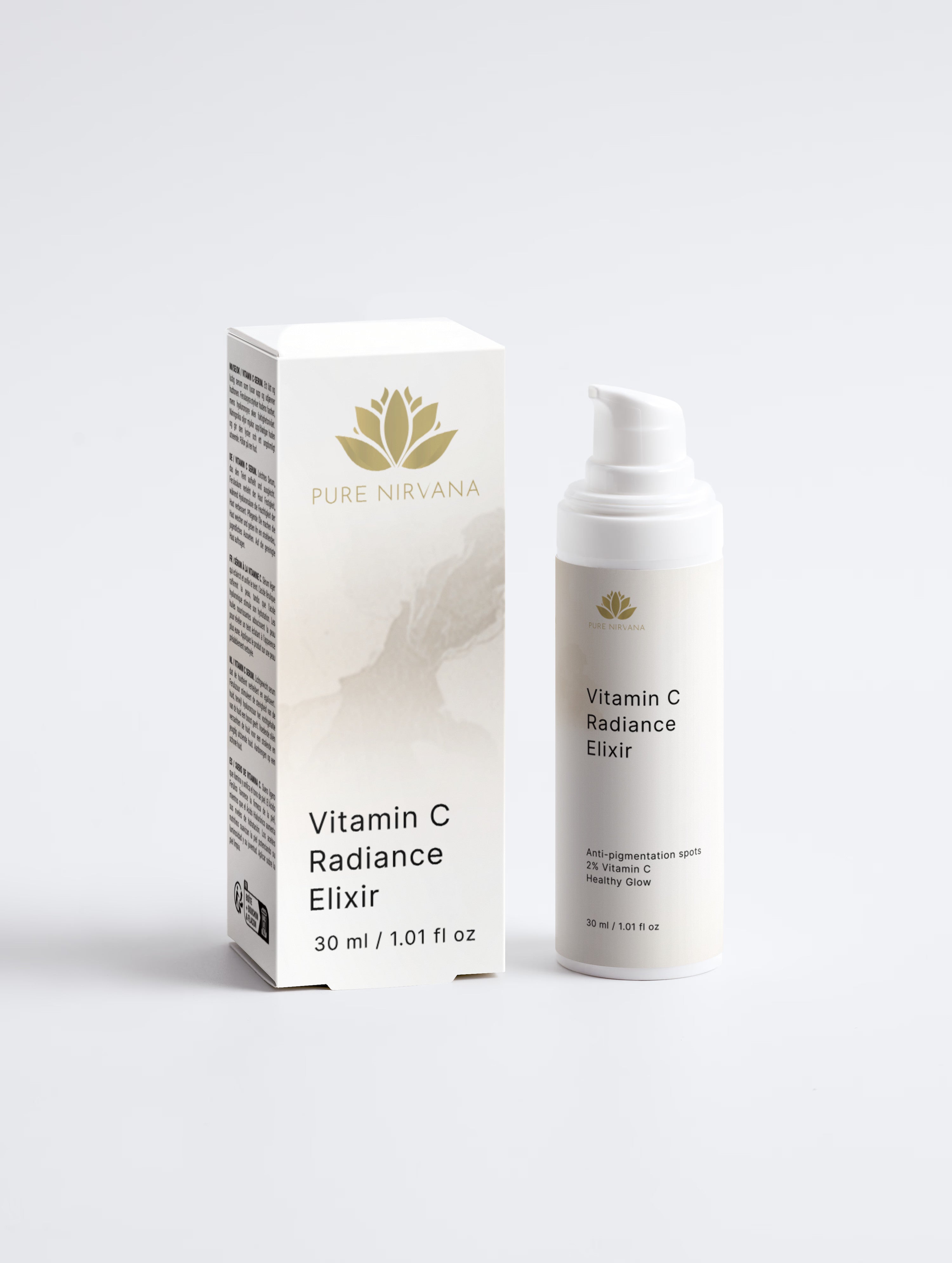
The ingredient works as an antioxidant, neutralising the free radicals that drive uneven tone and early ageing, and it supports collagen synthesis over time. Our Vitamin C Radiance Elixir pairs two percent natural vitamin C with ferulic acid and sea buckthorn oil, and it suits all skin types, including those targeting dark spots and dehydration.
A common mistake is buying a large bottle that lasts six months. Vitamin C degrades once opened, so a smaller bottle used steadily beats a bargain that turns brown.
Retinol Benefits and How to Use It Without Irritation
Retinol benefits include smoother texture, fewer visible fine lines, and clearer-looking pores, but only when you build up slowly. Start twice a week at a low strength, apply to dry skin at night, and buffer with moisturiser if your skin feels tight.
The irritation people fear is real but manageable. Redness, flaking and stinging in the first few weeks can occur and often settle as skin adapts.
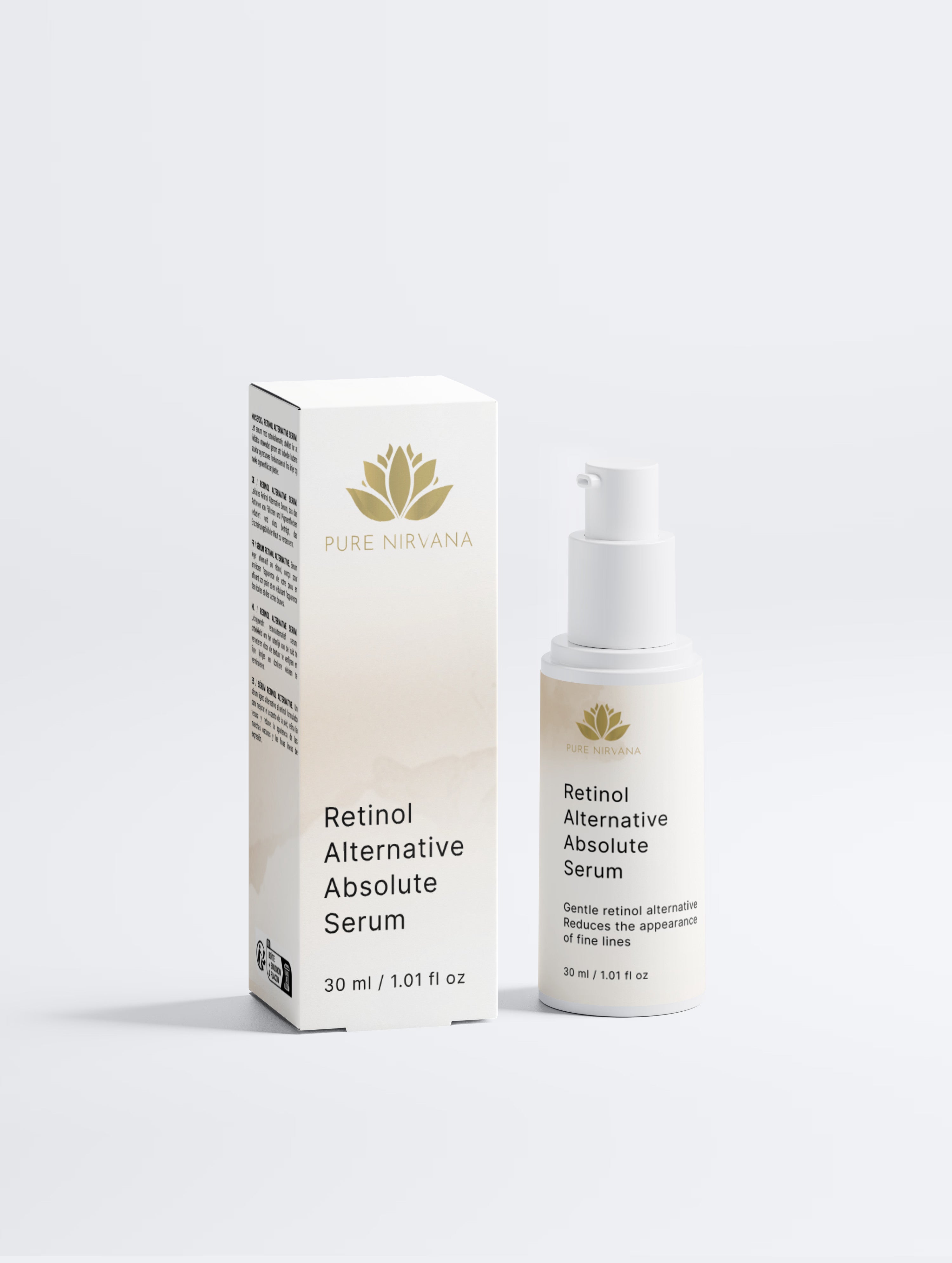
If your skin is reactive, a gentler route works well. Our Retinol Alternative Absolute Serum uses two percent bidens pilosa extract, a natural retinol alternative, to refine texture without the irritation associated with traditional retinol.
Niacinamide and Exfoliating Acids for Tone and Texture
Niacinamide and exfoliating acids address uneven tone and rough texture from two directions: niacinamide supports the barrier and calms the look of redness, while alpha-hydroxy acids lift dead cells from the surface. Used together on alternate days, they deliver smoother, more even-looking skin.
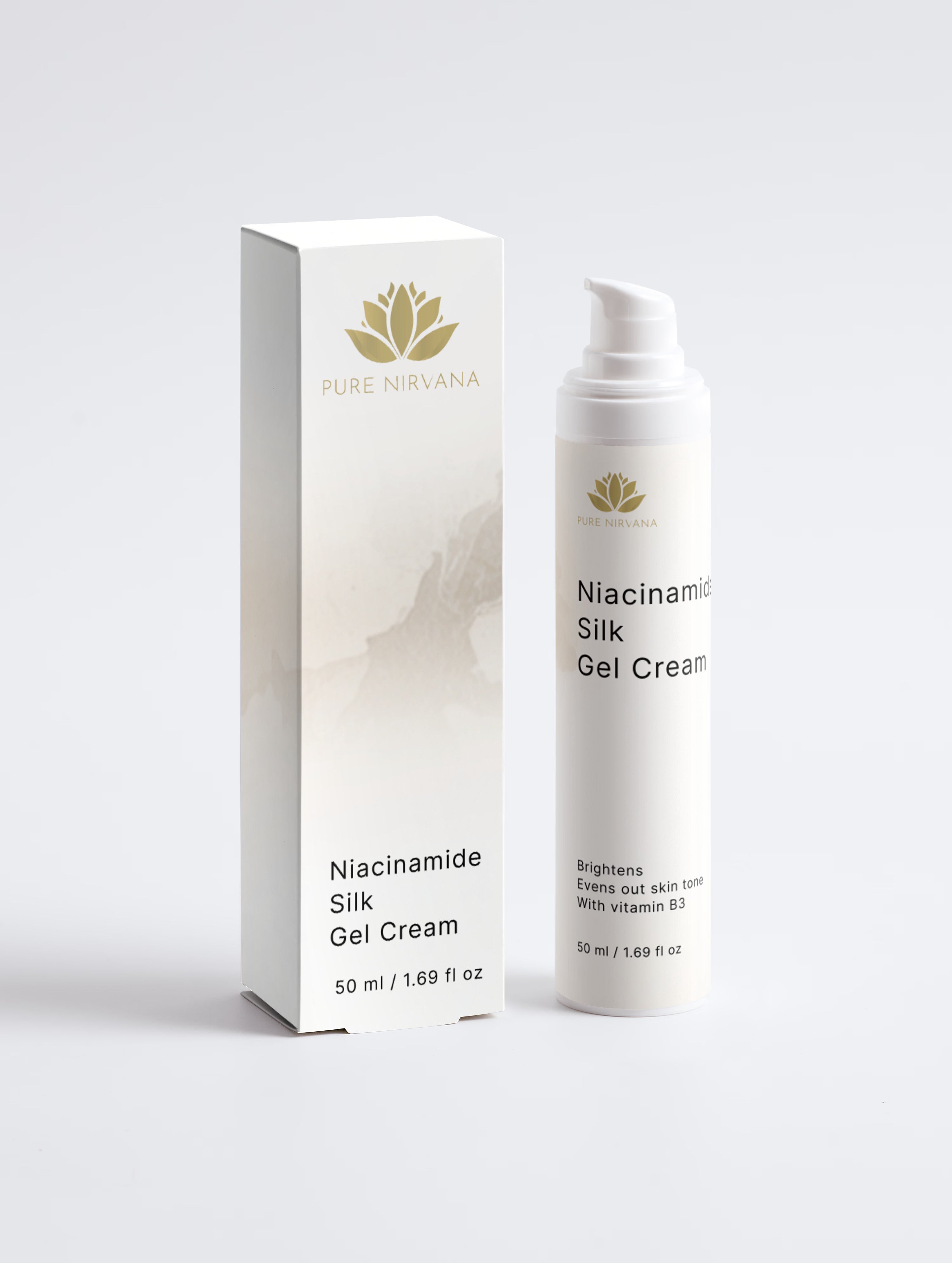
Five percent niacinamide is the sweet spot for most people. Higher strengths do not necessarily work better and can sting sensitive skin. Our Niacinamide Silk Gel Cream uses five percent niacinamide with ginkgo leaf extract in a light gel that layers easily morning or evening.
Glycolic acid, the most studied alpha-hydroxy acid, exfoliates and fades the look of dark spots. Our Golden Glow Exfoliating Tonique uses five percent glycolic acid with cranberry and lingonberry extracts, designed for evening use followed by SPF the next morning.
Watch out: exfoliating acids make skin more sensitive to sunlight, so daily sunscreen is not optional if you use them.
Ceramides for Skin Barrier Support and Hydration
Ceramides are lipids that make up a large part of the skin's outer barrier, and topping them up helps skin hold onto moisture. A compromised barrier shows as tightness, flaking and stinging, and it makes every active ingredient feel harsher than it is.
If you are using retinoids or acids, ceramides are the buffer that keeps the routine tolerable. Apply a ceramide cream at night after your serum, and reduce your active frequency if stinging persists. For a low-commitment way to try one, our Ceramide Barrier Night Cream sample sachet lets you test how your skin responds before committing to a full size.
Hydration also comes from humectants such as hyaluronic acid and polyglutamic acid, which draw water into the upper layers. Pair a humectant with a ceramide cream and skin feels plump rather than merely wet.
How Long Skincare Takes to Work: A Realistic Timeline
Most skincare ingredients take four to twelve weeks to show visible results, and pigmentation can take three months or longer.
- Weeks 1-2: Hydration improves and skin feels softer. No visible structural change yet.
- Weeks 4-6: Tone starts to look more even and texture feels smoother to the touch.
- Weeks 8-12: Dark spots begin to fade and fine lines look softened.
- Months 3-6: Collagen-related changes and pigmentation improvements become clearer.
Cell turnover in adults runs on a cycle of roughly four to six weeks, which sets the floor for how fast any topical ingredient can work. Judge a product at the twelve-week mark, not the first fortnight. Consistency matters more than the number of products in your routine.
How to Layer Actives Without Wrecking Your Skin
Layering is where good ingredients go wrong. The aim is not to use every active you own, but to put each one where it can work without destabilising another or overwhelming your barrier. A practical rule is to separate strong actives by time of day or by evening, and to introduce only one new active every two weeks.

A workable default order
- Cleanse and pat dry.
- Apply the thinnest active first: vitamin C serum in the morning, or a retinoid at night.
- Follow with a hydrating serum or gel cream.
- Seal with moisturiser, then sunscreen in the morning.
Combinations that usually cooperate
- Vitamin C and sunscreen (morning). Vitamin C supports antioxidant defence, and sunscreen is non-negotiable when using actives. Apply vitamin C first, then sunscreen.
- Niacinamide and most actives. Niacinamide is generally well tolerated alongside vitamin C, retinoids and acids, and it supports the barrier. If stinging occurs, reduce frequency rather than stacking more products.
- Retinoid and ceramide cream (evening). A ceramide moisturiser after a retinoid can improve tolerance without cancelling the active.
- Hyaluronic acid or polyglutamic acid and any active. Humectants layer well under or over most serums and help reduce the tight feeling that actives can cause.
Combinations that raise irritation risk
- Retinoid plus a strong alpha-hydroxy acid in the same step. Using both together in one evening increases the chance of redness and flaking. Alternate evenings, or use the acid in the morning and the retinoid at night only if your skin is already accustomed to both.
- Several exfoliating acids in one routine. Glycolic, lactic and salicylic acids used on the same evening can strip the barrier. Choose one exfoliant and use it two or three evenings a week.
- Benzoyl peroxide and retinoids in the same layer. These can deactivate each other and increase dryness. Separate them by time of day if both are needed.
Watch out: If your skin stings when you apply a moisturiser that normally feels comfortable, that is a sign the barrier is compromised; pause all actives for a few days and use only a gentle cleanser and ceramide cream.
Practical sequencing for a busy week
- Monday, Wednesday, Friday evening: retinoid.
- Tuesday and Saturday evening: exfoliating acid, if your skin tolerates it.
- Other evenings: hydrating serum and ceramide cream only.
- Every morning: vitamin C serum, moisturiser and sunscreen.
This pattern keeps each active in its own slot, gives skin recovery evenings, and makes it easier to identify which product causes a reaction if one appears. If you are new to actives, start with one product for four weeks before adding a second.
Building a Short Routine That Fits a Busy Day
A three-step routine used daily beats a ten-step routine used sporadically. Busy professionals do not need an elaborate ritual; they need three products they will actually reach for.
- Morning: a vitamin C serum, a light moisturiser, and sunscreen.
- Evening: a gentle cleanser, one active serum, and a ceramide cream.
That is it. Our Vitamin C Radiance Elixir and Niacinamide Silk Gel Cream cover brightening and barrier support in two steps, and the Pearl Radiance Perfecting Serum slots in when dark spots are the main concern. Five minutes morning and night is enough when the ingredients are right.
Find Your Ritual With Get Pure Nirvana
Choosing the few products that suit your skin and sticking with them long enough to see a change is often the hardest part of skincare.
At Get Pure Nirvana, our formulas feature ingredients such as vitamin C, peptides and ceramides. Our Vitamin C Radiance Elixir brightens and defends, the Retinol Alternative Absolute Serum refines texture gently, and the Niacinamide Silk Gel Cream supports tone and barrier in one light step.
Get started with Get Pure Nirvana and build a short, considered routine that delivers visible results.
Frequently Asked Questions
Which skincare ingredients are most effective for visible results?
The ones with the most consistent evidence are vitamin C, retinoids, niacinamide, alpha-hydroxy acids such as glycolic acid, salicylic acid, and barrier ingredients like ceramides and hyaluronic acid. Each targets a different concern: vitamin C for brightness and dark spots, retinoids for fine lines and texture, niacinamide for tone and pores, acids for exfoliation, ceramides for hydration and barrier support. Results come from using a small number of these consistently, not from stacking many at once.
How long does it take for skincare ingredients to show results?
Hydration and barrier ingredients like hyaluronic acid and ceramides can improve how skin feels within days. Niacinamide and vitamin C typically show tone and brightness changes over four to eight weeks. Retinoids and exfoliating acids take longer, often eight to twelve weeks, because they work by influencing cell turnover. Skin renews roughly every four weeks, so judge any new active over at least two full cycles before deciding it is not working.
Can you use vitamin C and retinol in the same routine?
Yes, but timing matters more than the combination itself. Vitamin C works well in the morning, where its antioxidant action supports skin against daylight exposure, paired with sunscreen. Retinoids suit the evening. Applying both at once can increase irritation for sensitive skin, so many people alternate rather than layer. If you want a gentler route, a retinol alternative such as bidens pilosa extract can be used alongside vitamin C without the same adjustment period.
Which ingredients help with fine lines and uneven skin tone?
For fine lines, retinoids and retinol alternatives are the mainstay, supported by peptides and antioxidants. For uneven tone and dark spots, look at vitamin C, niacinamide, alpha-arbutin, azelaic acid, kojic acid and tranexamic acid. Sunscreen is not optional here: without daily SPF, pigmentation often returns regardless of what else you use. A combination approach, such as a vitamin C serum in the morning and a retinol alternative at night, covers both concerns without overloading skin.
How should you introduce active ingredients into a skincare routine?
Add one new active at a time and give it two to four weeks before adding another. Start at a low frequency, two or three evenings a week for retinoids and acids, then build up as tolerance allows. Keep a simple cleanser, moisturiser and SPF as your base so you can tell what is causing any reaction. If stinging, redness or flaking lasts beyond a few days, reduce frequency rather than abandoning the ingredient entirely.
Do you need sunscreen with active skincare ingredients?
Yes. Retinoids and exfoliating acids increase sun sensitivity, and UV exposure undoes the pigmentation work that vitamin C and niacinamide are doing. A broad-spectrum SPF30 or higher every morning is the single most effective step for maintaining visible results. Apply it as the last step of your morning routine, and reapply through the day if you are outside for long periods.



Leave a comment
This site is protected by hCaptcha and the hCaptcha Privacy Policy and Terms of Service apply.