
Last Updated: November 11, 2026
Quick Summary
Ceramides skincare benefits the skin by acting as the mortar between skin cells, sealing in moisture and keeping irritants out. Use them from thinnest to thickest: ceramide cleansers first, then serums and lotions, and creams or balms last to seal. Apply them consistently, closest to the barrier, and pair with hyaluronic acid for the best results.
- Ceramides, cholesterol and fatty acids form the mortar between skin cells in the stratum corneum.
- Apply products thinnest to thickest: ceramide cleansers first, creams or balms to seal.
- Ceramide creams carry the highest lipid load; use them at night or on dry patches.
- On ingredient labels, look for ceramide NP, AP, EOP, NS or AS.
- Use retinol two or three nights a week with ceramide cream every night.
Table of Contents
- What Ceramides Do for Your Skin Barrier
- The Everyday Benefits of Ceramides in Daily Skincare
- How to Use Ceramides in Skincare: Order, Timing and Labels
- Ceramides for Sensitive Skin and Reactive Routines
- Ceramides vs Hyaluronic Acid: What Each One Actually Does
- Using Ceramides with Retinol Without Wrecking Your Barrier
- Frequently Asked Questions
What Ceramides Do for Your Skin Barrier
Ceramides skincare works because ceramides are lipids that make up a significant part of the skin's outer layer. Their one job: hold the skin barrier together so moisture stays in and irritants stay out.
Think of the stratum corneum, the outermost layer of skin, as a brick wall. Skin cells are the bricks; ceramides, alongside cholesterol and fatty acids, are the mortar. When natural skin lipids run low, the mortar thins, gaps appear, and water escapes while environmental aggressors slip through.
How Ceramides Hold Moisture In
Ceramides seal in moisture by filling the spaces between skin cells, reducing transepidermal water loss, the steady evaporation of water through the outer layer.
Why Barrier Integrity Matters for Comfort and Resilience
Barrier integrity separates skin that copes from skin that reacts. A compromised barrier lets irritants in, showing up as stinging, redness and inflammation after products that used to be fine. Topical ceramides help maintain hydration.
The Everyday Benefits of Ceramides in Daily Skincare
Ceramides skincare can contribute to a more comfortable feel on the skin.
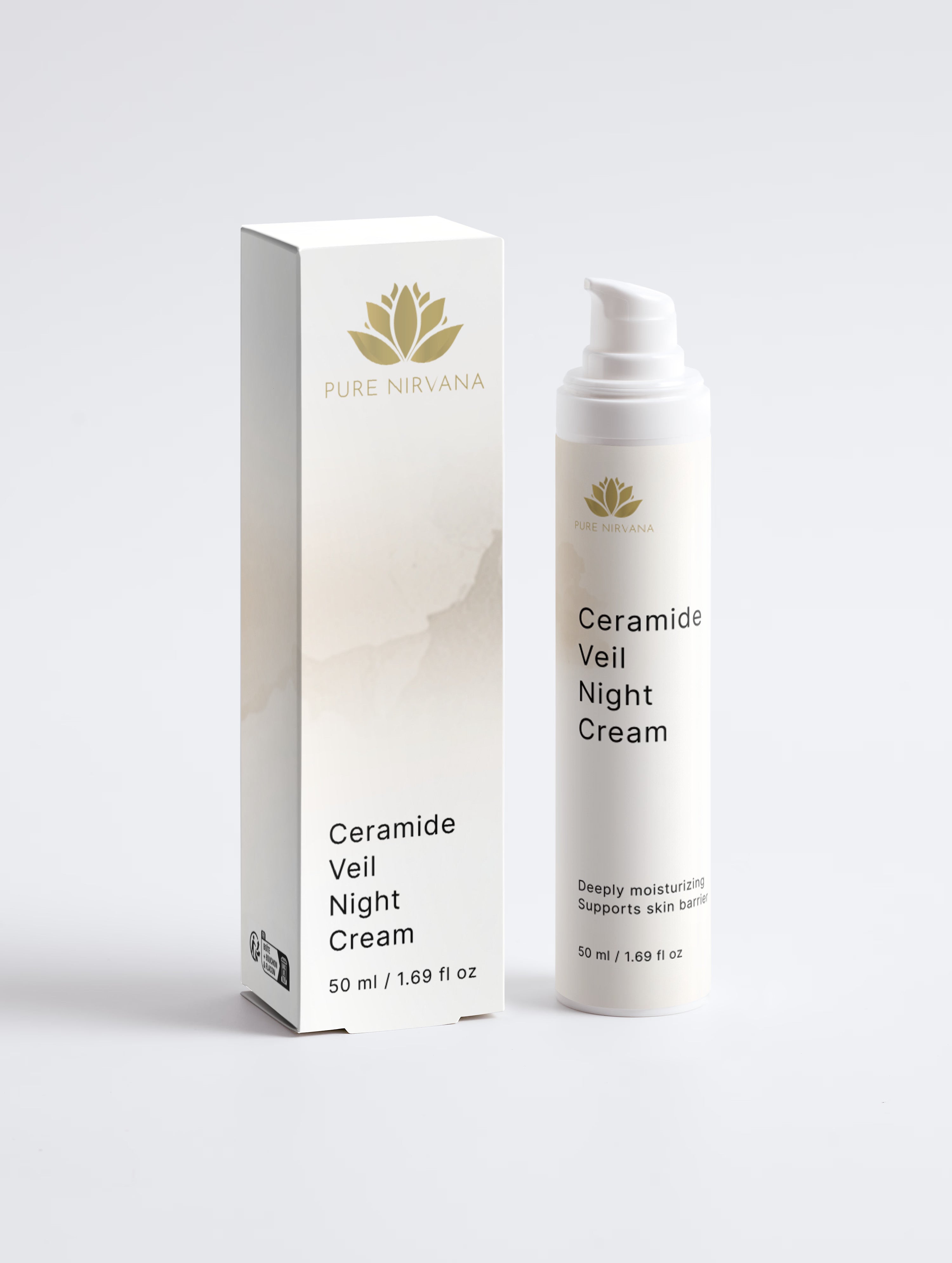
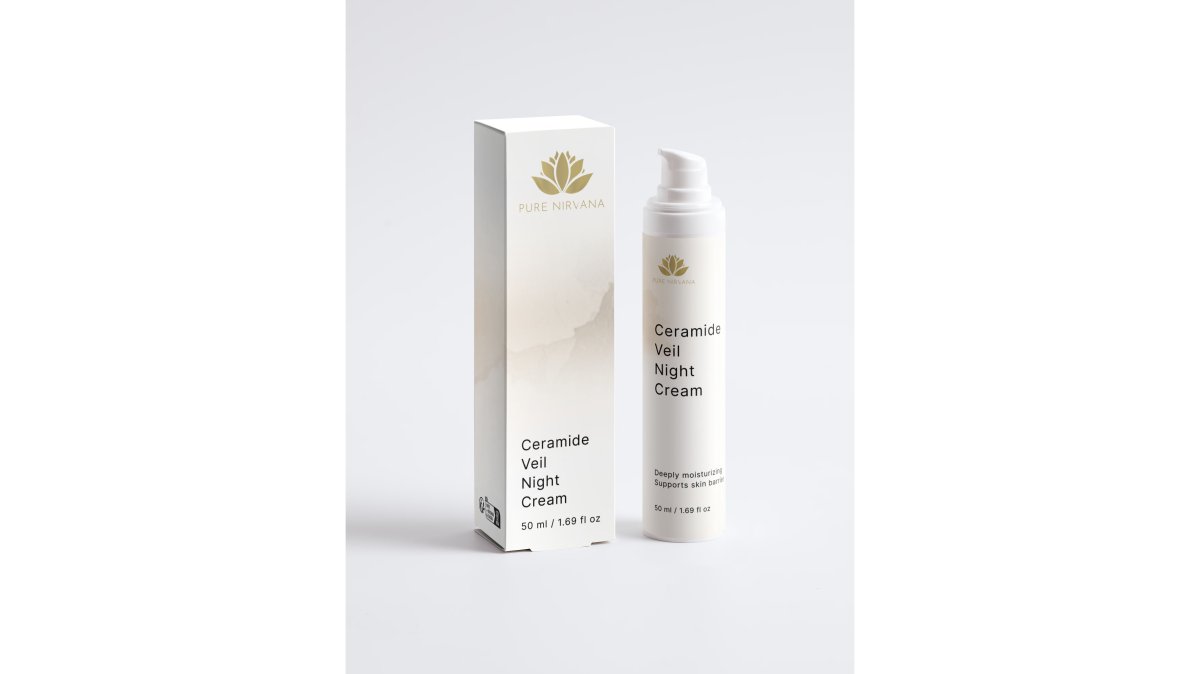
Our Ceramide Barrier Night Cream pairs ceramide-related lipids with cocoa and shea butter, and it suits normal and dry skin.
How to Use Ceramides in Skincare: Order, Timing and Labels
Ceramides are forgiving to slot in, but placement matters. The general rule is thinnest to thickest: ceramide cleansers first, serums and lotions in the middle, creams or balms to seal. What matters is consistency and putting them closest to the barrier.
A workable order for a busy routine:
- Cleanse gently with a ceramide or otherwise gentle cleanser, pat dry
- Apply a hydrating serum such as hyaluronic acid to damp skin
- Press in your ceramide serum or lotion while skin is still slightly damp
- Seal with a ceramide moisturiser or cream
- In the morning, finish with SPF
Where each product type fits:
- Ceramide cleansers are the first step and least concentrated; they mainly reduce the stripping effect of cleansing rather than deliver a treatment dose. They suit anyone whose skin feels tight after foaming cleansers.
- Ceramide serums and lotions are lightweight and layer well under sunscreen; use them when dehydration is the main concern or in warmer months.
- Ceramide creams and balms are the sealing step and carry the highest lipid load; use them at night or on dry patches, and press rather than rub so the film stays intact.
- Ceramide SPF products combine barrier support with sun protection, but check the SPF is broad-spectrum and adequate on its own rather than relying on a moisturiser labelled with a low SPF.
Layering logic is simple: water-based products first, oil-based and occlusive products last. Apply a dedicated hyaluronic acid serum to damp skin, then follow with the ceramide cream so the humectant has a seal above it. If you use a ceramide serum and a ceramide cream, the serum goes first and the cream seals it.
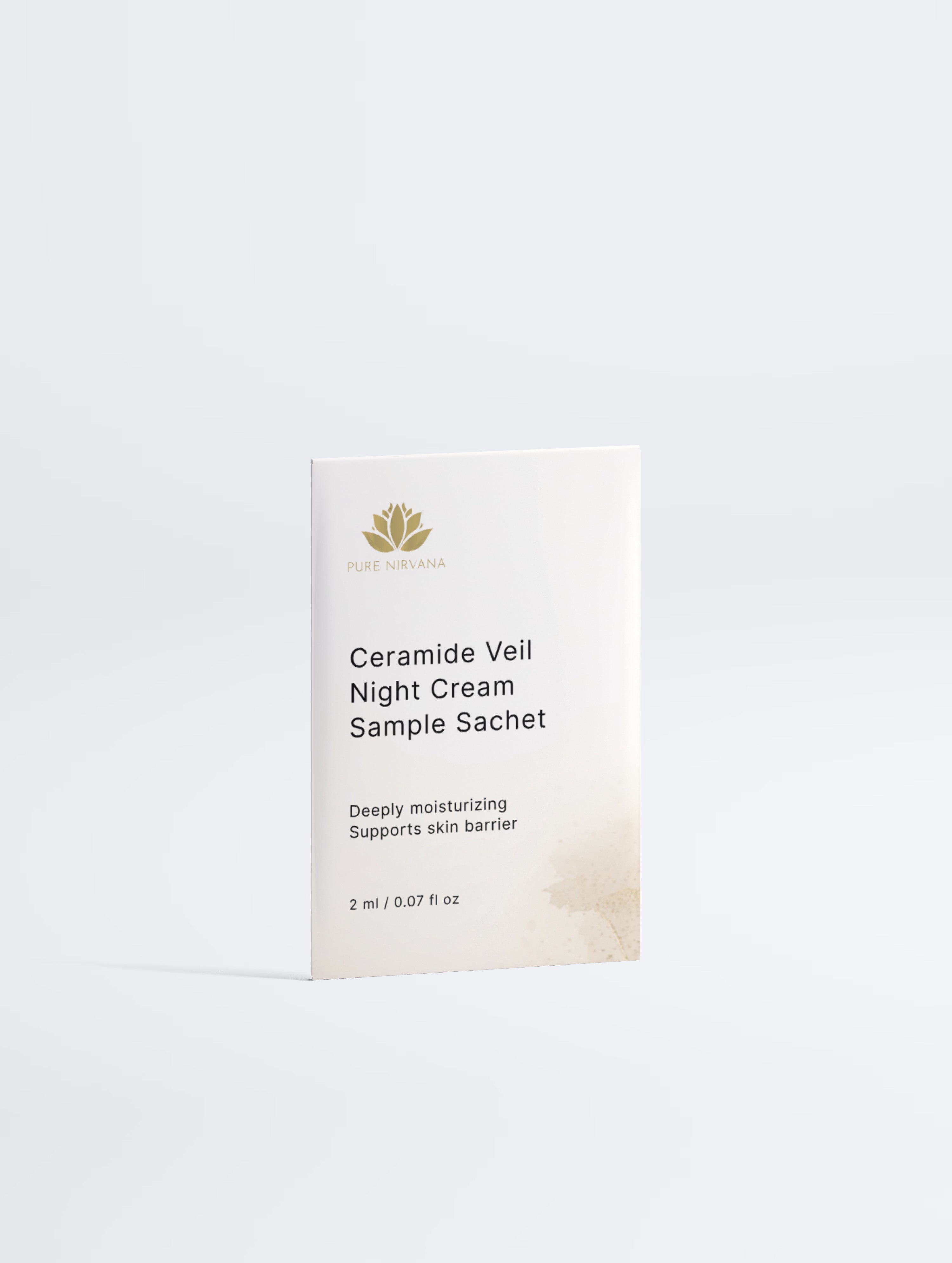
If you would rather try the texture before committing to a full jar, our Ceramide Veil Night Cream sample sachet lets you try the night cream first.
Reading a Ceramide Ingredient Label
Ingredient lists rarely say "ceramide" outright. Look for ceramide NP, AP, EOP, NS or AS, or the plant-derived glycosphingolipids and glycolipids in some formulas. Position matters: ingredients are listed by concentration, so a ceramide named after the fragrance does very little. Check whether the ceramide appears before or after the preservative and fragrance block; if it is after, treat the claim with caution.
Related barrier lipids are worth recognising too. Cholesterol and fatty acids often appear alongside ceramides because the barrier works as a mixture, and a formula with all three is closer to skin's natural composition than one listing ceramides alone. Humectants such as glycerin and hyaluronic acid are not ceramides but support the same goal by holding water in the upper layers.
Watch out: a formula can list ceramides and still be built on drying alcohol high in the list, which works against the barrier you are trying to support. Similarly, a strongly fragranced formula may irritate reactive skin regardless of its ceramide content. For a broader walkthrough of decoding labels, our guide to skincare ingredients for visible results covers the terms worth knowing.
Ceramides for Sensitive Skin and Reactive Routines
Introduce one product at a time and give it a fortnight before adding anything else.
The more useful question for reactive skin is not whether ceramides help but how they fit around the products that cause trouble. A common pattern is that barrier support makes actives tolerable, and actives in turn address concerns ceramides alone will not. The practical guidance below is cautious by design; patch-test and introduce one change at a time.
Pairing Ceramides with Retinoids
Retinoids speed up cell turnover and can temporarily thin the barrier, which is why the first weeks bring flaking, stinging and redness. A ceramide moisturiser on the nights between retinoid applications helps the barrier recover, and applying it before and after reduces the irritation that makes people quit. A workable pattern: retinoid two or three nights a week, ceramide cream every night, no other actives on retinoid nights. If stinging persists beyond a few minutes, reduce frequency rather than adding products.
Pairing Ceramides with Exfoliating Acids
AHAs and BHAs dissolve the bonds between dead skin cells and can leave the barrier more permeable, especially when overused. Keep acid use to a few times a week, avoid layering an acid and a retinoid on the same night, and follow with a ceramide moisturiser rather than a light lotion. Combining an acid, a retinoid and a high-strength vitamin C is a common route to persistent irritation, and ceramides will not fully offset that load.
Pairing Ceramides with Vitamin C and Other Actives
Use vitamin C in the morning and ceramides at night if your skin is easily provoked, or apply a ceramide lotion first if the vitamin C is water-based.
When to Simplify
If skin is actively stinging, flushing or peeling, strip the routine back to a gentle cleanser, a ceramide moisturiser and SPF until it settles, then reintroduce one product at a time. If your skin is genuinely reactive, patch-test behind the ear for a few nights first. Our article on the best luxury skincare for reactive skin goes deeper into building a routine that avoids known triggers.
Ceramides vs Hyaluronic Acid: What Each One Actually Does
Hyaluronic acid draws water toward the skin; ceramides hold it there. That is the short answer, and it explains why the two work better together than in competition. Hyaluronic acid is a humectant, attracting and binding water in the upper layers. Ceramides are structural lipids that plug the gaps so water does not simply evaporate away.
| Ingredient | Primary role | Best for | Pair with |
|---|---|---|---|
| Ceramides | Rebuild barrier lipids, reduce water loss | Dryness, sensitivity, barrier repair | Hyaluronic acid, occlusives |
| Hyaluronic acid | Attract and bind water | Dehydration, plumping | Ceramides, moisturiser |
| Retinol alternatives | Support texture without irritation | Fine lines, sensitive skin | Ceramides, SPF |
Used alone, hyaluronic acid can leave skin feeling dry in low humidity because it has no seal above it. Layer a ceramide cream over it and the hydration stays where you put it.
Using Ceramides with Retinol Without Wrecking Your Barrier
Our approach is simple: retinol two or three nights a week, ceramide cream every night, and no other actives on retinol nights. If your skin still protests, a gentler route is a retinol alternative silk cream that supports texture without the adjustment period.
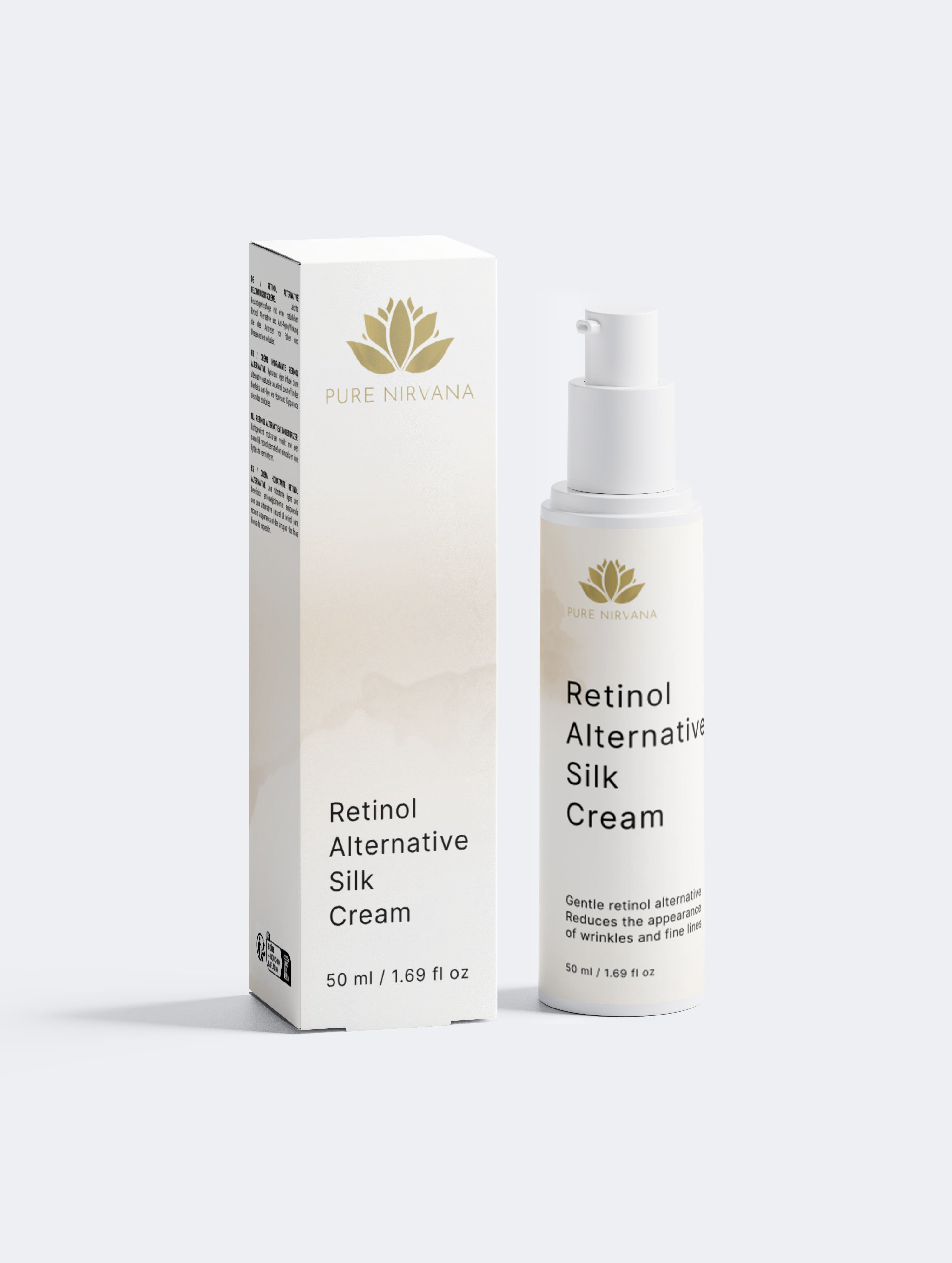
The real test of a ceramide routine is how your skin feels by the end of a working week: comfortable, calm and not reaching for extra layers. That is what we build for at Get Pure Nirvana, with ceramide-led formulas for a simple morning and evening routine. Our Ceramide Barrier Night Cream pairs ceramide-related lipids with shea butter, the Ceramide Guard SPF30 Stick is a colour-correcting SPF30 stick with ceramides, and both ship to the UK, US and EU. Find your ritual and give your barrier the consistency it needs.
Frequently Asked Questions
How long does it take to see results from ceramide skincare?
Ceramides help seal in moisture and reduce water loss from the outer layer of skin, so consistent morning and evening use is what matters. If dryness or irritation persists, speak to a pharmacist or GP.
Are ceramides good for sensitive skin?
Ceramides are lipids that occur naturally in the stratum corneum. Look for short ingredient lists and fragrance-free formulas where possible. If your skin stings, burns or develops a rash, stop using any new product and seek advice.
Can you use ceramides with retinol or vitamin C?
Ceramides can be used alongside retinol and vitamin C. Apply the retinol first on dry skin, wait a few minutes, then follow with a ceramide moisturiser.
Should you use a ceramide serum or moisturiser?
A moisturiser and a serum can both contain ceramides. Serums suit people who want a lighter layer under sunscreen or who prefer to add ceramides to an existing moisturiser.


Leave a comment
This site is protected by hCaptcha and the hCaptcha Privacy Policy and Terms of Service apply.